White Goods Recycle in Richmond: A Practical, Eco-Friendly Approach to Appliance Disposal
When a refrigerator stops cooling, a washing machine starts leaking, or an old freezer takes up valuable space in the garage, many households and businesses begin searching for a safe and responsible solution. White goods recycle in Richmond is more than a simple disposal service—it is a smart, environmentally responsible way to handle bulky appliances while reducing waste, recovering useful materials, and keeping the community cleaner. Whether you are upgrading your kitchen, clearing out a rental property, or replacing multiple commercial appliances, proper appliance recycling makes a meaningful difference.
Richmond residents are increasingly aware of the importance of sustainable appliance disposal. Large household items contain metals, plastics, insulation, glass, and sometimes refrigerants that require special handling. Choosing white goods recycling in Richmond helps ensure these materials are processed correctly instead of ending up in landfill. It also reduces hazards associated with dumping, improper dismantling, and illegal disposal.
In this article, we explore what white goods are, why recycling matters, what can be recycled, how the process works, and what to consider when arranging a collection or drop-off. If you are looking for a responsible way to dispose of old appliances, this information will help you make an informed choice and take the next step with confidence.
What Are White Goods?
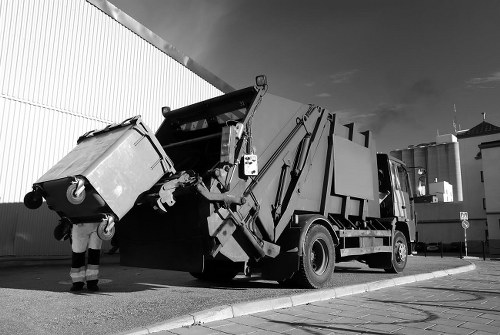
White goods are large domestic appliances commonly found in homes, rental properties, offices, and commercial spaces. The term traditionally refers to major appliances such as refrigerators, freezers, ovens, dishwashers, washing machines, and tumble dryers. Many of these items were once manufactured with white enamel finishes, which is where the name originated, although modern models now come in stainless steel, black, silver, and other finishes.
In the context of white goods recycle in Richmond, these appliances are typically too bulky for standard household waste collections. They often include components that should not be mixed with general rubbish, such as electrical wiring, compressors, motors, and insulation materials. Because of their size and internal parts, they require structured collection and processing.
Understanding which items fall into the white goods category is important because it helps households and businesses identify the right recycling route. If an appliance is large, electrically powered, and designed for household utility, it is likely considered a white good and should be managed through appropriate recycling channels.
Why White Goods Recycling Matters in Richmond
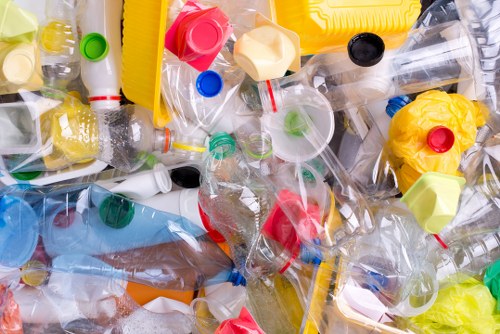
Recycling white goods in Richmond supports both environmental and community goals. Appliances are built from materials that can often be recovered and reused, including steel, aluminum, copper, and plastic. By sending these materials to recycling facilities, valuable resources are kept in circulation and demand for virgin raw materials is reduced.
Another major reason for proper appliance recycling is the safe handling of chemicals and gases. Older fridges and freezers may contain refrigerants that can harm the environment if released incorrectly. Some insulation foams and electronic components may also contain substances that need specialist treatment. White goods recycle in Richmond ensures these elements are dealt with safely and lawfully.
There is also a public benefit. Abandoned appliances can become eyesores, create hazards, attract pests, and take up space in homes and communal areas. Responsible recycling helps keep Richmond streets, driveways, gardens, and service areas free from bulky waste and clutter.
Types of White Goods That Can Be Recycled
Common Household Appliances
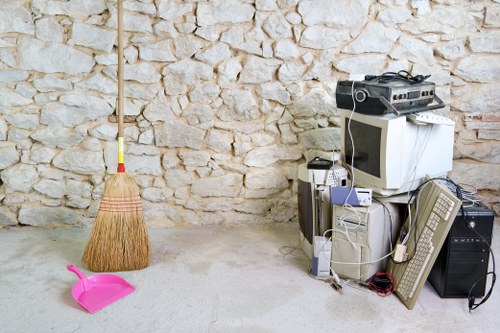
Many everyday appliances can be included in white goods recycling programs. These usually include:
- Refrigerators
- Freezers
- Washing machines
- Tumble dryers
- Dishwashers
- Cookers and ovens
- Microwaves, where accepted by the recycler
- Electric hobs and range cookers
These items often contain recyclable metal frames, electrical cabling, and reusable components. Even when a machine no longer works, it can still contain materials that are suitable for recovery. That is why white goods recycle in Richmond is so valuable: it treats waste appliances as resource-rich items rather than simple rubbish.
Some recyclers also accept smaller kitchen appliances or special items like dehumidifiers and extractor units, depending on their process. It is always sensible to confirm what is accepted before arranging collection.
Commercial and Rental Property Appliances
White goods recycling is not just for homes. Landlords, estate agents, housing managers, schools, and business owners in Richmond often need to remove multiple appliances at once. Commercial kitchens, rental turnover, and refurbishment projects can produce several large appliances in a single job. In these cases, a structured recycling service can save time while helping maintain compliance and order.
How the White Goods Recycling Process Works
Step 1: Assessment and Collection
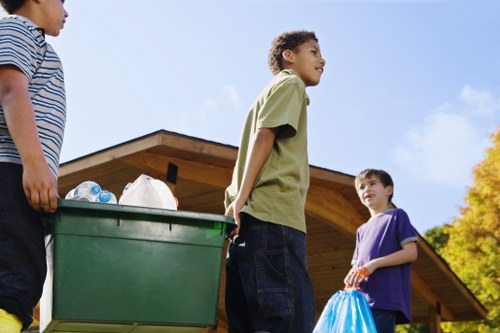
The process usually begins with identifying the appliance type, size, quantity, and condition. A recycling provider may ask whether the item is still connected, whether it contains refrigerants, and where it is located for collection. For residents who want a convenient solution, collection services are often the simplest option.
Once the collection is scheduled, the appliance is removed from the property and transported to a processing facility or transfer site. Careful lifting and transport are important, especially for heavy items like cookers and refrigeration units. This avoids damage to property and reduces the risk of injury.
At the next stage, the appliance is sorted according to material type and treatment requirements. White goods recycle in Richmond typically involves separating reusable metals, plastics, glass, motors, and wiring from components that require specialist disposal. This organised approach supports higher recycling rates and better environmental outcomes.
Step 2: Depollution and Dismantling
Before an appliance is broken down, any hazardous substances must be safely removed. Refrigerators and freezers may need refrigerant extraction, while other appliances may include oils, capacitors, or electronic components that require specific handling. After depollution, trained personnel dismantle the units and send each material stream to the appropriate recovery process.
Some parts may be reused or refurbished, while others are shredded, melted, or processed into raw materials for manufacturing. This makes white goods recycling an efficient method of turning bulky waste into useful resources.
Environmental Benefits of White Goods Recycling
Reducing Landfill Waste
One of the most important environmental benefits of white goods recycle in Richmond is the reduction of landfill waste. Large appliances are too substantial to be treated like ordinary rubbish, and when they are dumped improperly, they occupy valuable landfill space for a very long time. Recycling helps divert these items away from landfill and supports more sustainable waste management.
Recovering metals from appliances also lowers the need for energy-intensive mining and processing of new raw materials. Steel, copper, and aluminum are all highly recyclable, and keeping them in use means fewer natural resources are extracted from the earth. This supports a circular economy where materials are reused rather than discarded after a single use.
Another benefit is the reduction of greenhouse gas emissions. Manufacturing products from recycled materials generally requires less energy than creating them from virgin resources. Over time, appliance recycling contributes to lower overall emissions and a smaller environmental footprint for Richmond households and businesses.
Supporting Safer Waste Practices
Illegal dumping or careless disposal of appliances can lead to environmental contamination. Refrigerants may leak, sharp metal edges can create hazards, and abandoned items can contribute to neighborhood decline. Choosing professional white goods recycling in Richmond helps prevent these issues and encourages more responsible waste handling in the community.
What Happens to Recycled White Goods?
Once appliances are processed, their materials follow different recycling pathways. Metals are often separated and sent to smelters or fabrication facilities where they can be turned into new products. Copper from wiring and motors is especially valuable because it can be reused in electrical systems and industrial applications.
Plastics and glass may be cleaned, sorted, and processed into new consumer or industrial products. Some components from white goods can also be refurbished or reused in repairs, helping extend the life of other appliances. In this way, white goods recycle in Richmond supports resource efficiency at multiple stages.
Parts that cannot be recycled may still need specialist disposal depending on their composition. A reputable service will ensure that every element is handled in line with environmental standards and legal requirements. This reduces waste and maximizes recovery wherever possible.
Choosing the Right White Goods Recycling Option in Richmond
Factors to Consider
When selecting a recycling service, it helps to look at several factors:
- Accepted appliance types: Make sure your item is eligible for collection or drop-off.
- Collection convenience: Some services remove items from inside the property, while others require curbside access.
- Environmental standards: Choose a provider that prioritizes proper recycling and legal disposal.
- Handling of refrigerants: Fridges and freezers require special treatment, so this matters greatly.
- Availability: Fast turnaround can be important when replacing appliances or clearing a property.
By comparing these features, you can find a solution that suits your schedule and your disposal needs. The best white goods recycle in Richmond services are efficient, transparent, and focused on sustainability.
It is also worth considering whether you need a single-item removal or a larger clearance. Some providers are better equipped for bulk appliance collections, while others focus on one-off domestic removals. Choosing the right option can make the whole process smoother.
Questions to Ask Before Booking
- Do you collect appliances from upstairs or enclosed spaces?
- Are there additional charges for fridges or freezers?
- Will the appliance be recycled rather than landfilled?
- Can you handle multiple units in one visit?
- What preparation is required before collection?
Preparing Your Appliance for Recycling
Simple Steps Before Collection
Getting an appliance ready for collection can make the process faster and easier. In many cases, you should first unplug the machine and disconnect it safely from water, gas, or power supplies. For washing machines and dishwashers, this may include draining residual water from hoses and compartments.
For refrigerators and freezers, remove all food items and defrost the appliance if possible. This reduces mess and helps collectors transport the item safely. If you are arranging white goods recycle in Richmond, it is often a good idea to measure doorways, stairwells, and access paths in advance, especially if the appliance is being removed from an internal location.
You may also want to remove loose shelves, trays, or detachable accessories if requested by the recycler. However, do not attempt to dismantle any unit beyond basic preparation unless you are qualified to do so. Safety should always come first.
Important Safety Tips
Never remove sealed refrigerant parts, cut into gas lines, or tamper with internal electrical components. These actions can be dangerous and may release hazardous substances. A professional service knows how to handle these appliances properly, which is one of the biggest advantages of using a structured white goods recycling solution.
White Goods Recycling for Households, Landlords, and Businesses
Different customers need appliance recycling for different reasons. Homeowners may be replacing old equipment after a kitchen renovation. Tenants may be leaving behind unwanted appliances after moving out. Landlords may need to clear damaged items during property turnover. Businesses, meanwhile, may be upgrading staff kitchens, replacing catering equipment, or disposing of worn-out commercial units.
For each of these groups, white goods recycle in Richmond offers an organised and practical solution. It helps maintain safe premises, keeps properties ready for use, and reduces the administrative burden of dealing with bulky items. When multiple appliances are involved, a collection service can also help streamline planning and reduce downtime.
In commercial settings, appliance recycling can support corporate sustainability targets. Many organisations now seek environmentally responsible disposal methods as part of broader waste reduction strategies. Reusing and recycling white goods is a simple yet effective way to make measurable progress.
Common Misconceptions About White Goods Recycling
Myth: Old Appliances Must Go to Landfill
This is not true. In many cases, appliances contain materials that can be recovered and reused. Recycling is usually the preferred option because it reduces waste and supports sustainable resource use. Landfill should be the last resort, not the default.
Another misconception is that broken appliances are worthless. Even if a unit no longer runs, its metal casing, wiring, and internal parts can still have recycling value. This is why white goods recycle in Richmond is so effective: it turns potential waste into reusable material streams.
A further myth is that all appliances can be placed at the roadside for collection without preparation. While some items may be accepted this way, collection requirements vary. Proper scheduling and preparation make the process safer and more efficient.
Why Professional Handling Matters
Handling bulky appliances without the right equipment can lead to injury or property damage. Professional recycling services use trained teams and suitable transport methods to manage weight, awkward shapes, and special components. That means less stress for the customer and better outcomes for the environment.
Local Advantages of Choosing White Goods Recycling in Richmond
Richmond benefits from responsible waste practices in many ways. Cleaner streets, better-managed communal areas, and reduced fly-tipping all contribute to a healthier local environment. Appliance recycling is part of that bigger picture because it keeps bulky waste moving through a proper system instead of being left to accumulate.
There is also a practical advantage for residents who value convenience. Rather than trying to transport a heavy washing machine or fridge to a disposal site, a recycling service can remove it efficiently. This saves time and reduces the physical strain of handling oversized items.
White goods recycle in Richmond also supports local sustainability goals by helping residents and businesses make better choices about disposal. Every recycled appliance contributes to resource recovery, landfill diversion, and cleaner neighborhood spaces.
When to Arrange Recycling
- When replacing an old appliance with a new one
- During a home renovation or kitchen upgrade
- When clearing rental or managed properties
- After appliance failure or irreparable damage
- When consolidating office or commercial waste
Making the Most of Responsible Appliance Disposal
If you want to dispose of old appliances the right way, start by identifying the item, checking its condition, and deciding whether collection or drop-off is most suitable. Then choose a provider that prioritizes legal compliance, environmental protection, and efficient service. This is the best way to ensure your appliance is treated responsibly from start to finish.
Using a trusted white goods recycling in Richmond service means you can clear space, reduce clutter, and feel confident that your old appliance is being handled properly. It is a straightforward action that supports both household convenience and wider environmental goals.
If you have more than one item, consider booking them together. Multi-item collections are often more efficient and can simplify the disposal process. Book your service now to get unwanted appliances removed without unnecessary delay.
Practical Benefits at a Glance
- Reduces landfill waste
- Recovers reusable metals and materials
- Supports safe handling of refrigerants and electrical parts
- Keeps properties clear and tidy
- Saves time compared with self-disposal
- Encourages sustainable habits in the Richmond community
Final Thoughts on White Goods Recycle in Richmond
Recycling white goods is one of the simplest ways to make a meaningful environmental impact while also solving a common household or business problem. From old fridges and freezers to washing machines and ovens, these bulky appliances contain materials that should be recovered rather than thrown away carelessly. Choosing white goods recycle in Richmond helps protect the environment, supports safer waste handling, and creates a cleaner local area for everyone.
Whether you are dealing with a single appliance or several at once, the right recycling option can make the process easy and efficient. With proper preparation, professional collection, and responsible processing, your old white goods can be managed in a way that benefits both your property and the wider community. Contact us today to arrange an appliance removal solution that fits your needs and keeps waste out of landfill.
For Richmond households, landlords, and businesses alike, appliance recycling is a practical step toward better waste management. It is efficient, environmentally sound, and increasingly essential in a world that values resource recovery and responsible disposal.