Waste Recycling in Richmond: Practical Solutions for a Cleaner, Greener Community
Waste recycling in Richmond is more than a routine household task—it is a practical way for residents, businesses, and local organizations to reduce landfill use, conserve resources, and support a healthier environment. As the city grows and daily consumption increases, recycling in Richmond plays an even bigger role in keeping neighborhoods cleaner while helping materials such as paper, plastic, glass, metals, and organics stay in circulation. Whether you are sorting your kitchen waste at home or improving recycling practices at a commercial site, the right approach can make a meaningful difference.
Richmond recycling services have become essential for managing the mix of everyday rubbish and recoverable materials produced across homes, offices, retail spaces, restaurants, and industrial properties. When waste is separated correctly, it can be collected more efficiently, processed with less contamination, and turned into new products. That means fewer raw materials are extracted from the environment and less waste ends up in disposal sites. For many people, learning how waste recycling in Richmond works is the first step toward making smarter choices every day.
Beyond environmental benefits, recycling in Richmond can also improve operational efficiency for businesses and reduce the burden on local waste systems. From single-family homes to multi-unit buildings and commercial premises, a clear recycling routine helps reduce clutter, support compliance, and create more sustainable habits. In the sections below, we’ll explore what waste recycling in Richmond involves, why it matters, what materials are commonly accepted, and how residents and businesses can improve their results.
Why Waste Recycling in Richmond Matters
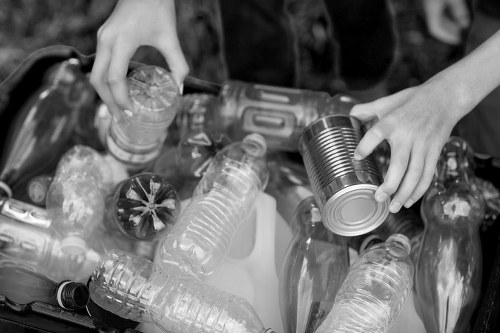
Waste recycling in Richmond matters because it directly supports environmental protection, resource conservation, and community well-being. Every time recyclable items are separated from general waste, there is an opportunity to recover materials that would otherwise be buried or burned. That simple action helps reduce greenhouse gas emissions, lower landfill dependency, and protect natural systems. For a growing city like Richmond, these outcomes are especially important.
Another reason recycling in Richmond is so important is that it encourages a circular economy. Instead of treating products as disposable, recycling allows materials to be reused in new manufacturing processes. This can include turning cardboard into packaging, metals into building materials, or glass into new containers. When more people participate in waste recycling in Richmond, the loop between consumption and reuse becomes stronger.
There is also a strong civic benefit. Cleaner streets, better-managed waste streams, and more organized collection systems all contribute to a more attractive and functional community. Waste recycling in Richmond is not only about what goes into the bin; it is also about how the entire city manages resources responsibly. Small habits at the household level can create large-scale positive effects.
Environmental Benefits at a Local Level
Recycling helps reduce the demand for virgin raw materials, which means less mining, logging, and drilling. It also reduces pollution associated with extraction and processing. In Richmond, where urban living and commercial activity create a steady flow of waste, this environmental advantage is especially valuable. Recycling programs help keep recoverable materials out of the waste stream and reduce strain on disposal infrastructure.
Organic waste diversion is another key advantage. When food scraps and yard material are collected separately, they can often be composted or processed into beneficial soil products instead of contributing to methane emissions in landfill environments. This makes waste recycling in Richmond a broader sustainability strategy rather than just a sorting exercise.
For residents and businesses alike, the environmental payoff is clear: less waste, fewer emissions, and a cleaner community.
How Waste Recycling in Richmond Works
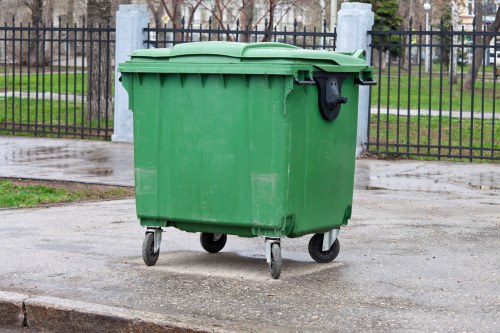
Waste recycling in Richmond typically begins with proper source separation. That means residents and businesses sort recyclable materials from regular garbage before collection. Depending on the property type and service setup, bins may be designated for mixed recyclables, organics, paper products, or specific materials such as containers and cardboard. The cleaner the sorting process, the better the recovery rate at the processing stage.
Once collected, recyclable materials are transported to sorting or processing facilities where they are separated further by material type. Advanced equipment and manual quality checks help remove contaminants and prepare recovered items for resale or remanufacturing. This process is a central part of recycling in Richmond because it transforms everyday waste into usable inputs for new production.
Education and consistency are equally important. Even the best recycling system can be slowed down by contamination, meaning items like food-soiled paper, plastic bags, or non-recyclable packaging accidentally placed in the wrong bin. Waste recycling in Richmond works best when users understand local rules and maintain a simple, repeatable sorting routine.
Collection, Sorting, and Processing
Collection schedules vary depending on the property and service provider, but the objective remains the same: move recyclables efficiently from curbside or on-site containers to processing facilities. Sorting facilities then classify materials such as paper, cardboard, glass, aluminum, steel, and certain plastics. Some items may require specialized handling, while others can be mixed in a single stream if local rules permit it.
Processing may include baling, shredding, washing, or compacting materials before they are sent to manufacturers. These steps help create a market-ready commodity. In many cases, recycled content returns in the form of packaging, textiles, construction materials, or industrial products. The better the initial separation, the better the final outcome.
Efficient recycling in Richmond depends on everyone involved—households, property managers, haulers, and processing facilities all play a role in making the system work.
Common Materials Accepted in Richmond Recycling Programs
Most waste recycling in Richmond programs focus on commonly recoverable materials that can be processed at scale. These typically include paper, cardboard, metal cans, glass containers, and a range of accepted plastic packaging types. Some programs also support organics collection, which can cover food scraps, coffee grounds, and yard trimmings. Knowing what belongs in each stream helps avoid contamination and improves recycling efficiency.
Paper and cardboard remain among the most widely recycled materials because they are easy to collect and process. Office paper, newspaper, magazines, and flattened cardboard boxes often fit well into municipal or commercial recycling systems. Glass bottles and jars are also valuable recyclables, although they may need to be kept separate in certain collection setups to prevent breakage or contamination.
Plastics can be more complicated because not all types are accepted equally. Some Richmond recycling services accept only specific container types, while others may limit items based on local processing capabilities. Always check accepted material lists carefully to avoid tossing in items that can disrupt the recycling stream. Waste recycling in Richmond becomes much more effective when people understand which plastics are truly recyclable in their area.
Typical Recyclables to Separate
- Clean cardboard and boxboard
- Newspapers, office paper, and magazines
- Aluminum beverage cans
- Steel food cans
- Glass bottles and jars
- Accepted plastic containers
- Food scraps and yard waste, where organics collection is available
Items That Commonly Cause Contamination
Not everything that looks recyclable actually belongs in recycling bins. Items with food residue, greasy paper, plastic film, foam packaging, and mixed-material products can cause contamination problems. Batteries, electronics, and hazardous waste also require special handling. Keeping these items out of regular bins protects the recycling process and improves the quality of recovered materials.
A simple rule of thumb: clean, dry, and accepted materials are usually the safest bet.
Residential Waste Recycling in Richmond
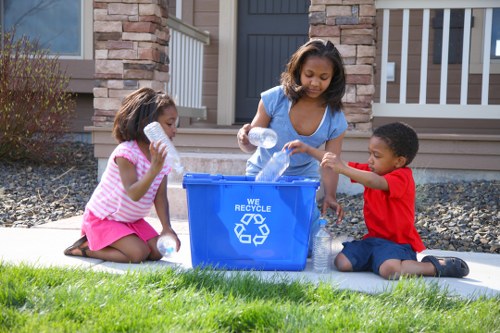
Residential waste recycling in Richmond is one of the easiest ways for households to participate in citywide sustainability efforts. Homes produce a steady flow of packaging, paper, food waste, and other recoverable materials. By setting up a clear sorting system at home, families can reduce the amount of garbage they send out each week while improving the quality of what gets recycled.
A successful household recycling routine usually starts with convenient separation. Many people keep small bins in the kitchen, office, and laundry area for different materials. Some homes use one container for mixed recyclables and another for organics. Others prefer to pre-sort paper, containers, and trash right away. Whatever the system, consistency is what makes waste recycling in Richmond easier over time.
Seasonal items such as gift wrap, cardboard packaging, and yard trimmings can also impact household waste. Planning ahead and flattening boxes, rinsing containers, and removing non-recyclable components can make curbside pickup smoother. Recycling in Richmond at the residential level is most effective when households reduce contamination and keep materials organized.
Simple Habits That Improve Home Recycling
- Rinse food containers lightly before placing them in the recycling bin.
- Flatten cardboard to save space and improve collection efficiency.
- Keep plastic bags and film out of regular recycling bins unless specifically accepted.
- Separate organics from trash if a food-scrap program is available.
- Review local recycling rules periodically, since accepted materials can change.
Why Households Benefit Too
Households that adopt better recycling practices often notice less waste volume, fewer overflow issues, and a more orderly waste routine. That can make bin storage easier and reduce the frequency of unnecessary garbage disposal. On top of that, many families appreciate knowing they are contributing to a cleaner city through responsible waste recycling in Richmond.
Commercial Waste Recycling in Richmond
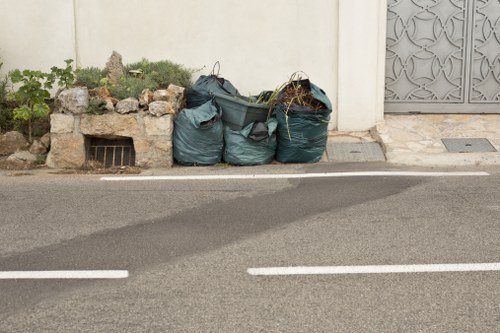
Commercial waste recycling in Richmond serves offices, stores, restaurants, warehouses, apartment buildings, and industrial operations. These properties typically generate larger and more varied waste streams than homes, which means a tailored recycling plan is often needed. Businesses that manage recycling well can reduce disposal costs, improve internal organization, and strengthen sustainability performance.
For many commercial sites, the challenge is not whether to recycle but how to do it efficiently. Large volumes of cardboard, packaging, paper, and food waste can accumulate quickly, especially in sectors such as retail and hospitality. Clear signage, strategically placed bins, and employee training help make waste recycling in Richmond practical and scalable for business operations.
Commercial recycling is also good business sense. A clean and well-managed recycling area improves workflow and helps support compliance with local waste requirements. It can also demonstrate environmental responsibility to customers, tenants, and partners. In a competitive market, those qualities matter.
Benefits for Businesses and Property Managers
- Reduced landfill disposal volume
- Improved waste area organization
- Potential cost savings through better material handling
- Stronger sustainability reporting and brand image
- Better support for tenant and staff participation
Property managers especially benefit from structured recycling systems because multiple occupants often create mixed waste habits. With a clear plan, waste recycling in Richmond can be integrated into daily operations without disrupting business activity. The key is to make recycling easy, visible, and consistent.
Reducing Contamination in Richmond Recycling Streams
Contamination is one of the biggest barriers to effective waste recycling in Richmond. When non-recyclable materials are mixed in with accepted items, they can reduce the quality of recovered materials and even cause whole batches to be diverted away from recycling. That means more waste, more cost, and less environmental benefit. Preventing contamination is therefore a top priority for both households and businesses.
The most common causes of contamination include greasy pizza boxes, plastic wrap, food-soiled paper, and items that are only partially recyclable. In some cases, contamination happens because people assume all packaging is accepted. To avoid this, it helps to check local recycling instructions and use a simple “when in doubt, leave it out” approach if an item is unclear.
Another effective strategy is to improve sorting at the source. If bins are labeled clearly and placed in convenient locations, people are more likely to sort correctly. Good bin design and clear communication can dramatically improve recycling in Richmond.
Best Practices to Keep Recycling Clean
- Use clear labels on recycling and garbage bins
- Keep organics separate from dry recyclables
- Avoid putting loose plastic film in mixed recycling unless accepted locally
- Train staff or household members on what belongs in each bin
- Review collection notices to stay updated on changes
The Role of Education
Education is one of the most powerful tools for improving recycling outcomes. Even brief reminders can help people remember the basics: clean materials, correct bins, and no contaminants. For businesses, onboarding and periodic refreshers can make a measurable difference. For families, simple visual cues near the kitchen or garage often do the trick.
When people understand the “why” behind recycling rules, they are more likely to follow them.
What Makes a Strong Waste Recycling Strategy in Richmond
A strong waste recycling strategy in Richmond combines convenience, education, and consistency. Whether you are managing a household or a commercial property, the most successful systems are the ones that fit naturally into everyday routines. If the process is too complicated, participation drops. If it is simple and well communicated, recycling performance improves.
Start by assessing your waste stream. Identify the materials you generate most often, then match them to the appropriate recycling or organics options. A restaurant may need separate food waste handling and cardboard collection, while a home may need a manageable setup for paper, containers, and organics. Waste recycling in Richmond works best when the system reflects actual use patterns.
Regular review is also important. Collection needs may change as seasons, occupancy, or operations shift. A system that works well in one period may need small adjustments later. Recycling in Richmond is most effective when it is treated as an ongoing habit, not a one-time task.
Key Components of an Effective Program
- Clear bin placement and labeling
- Material-specific instructions for users
- Reliable pickup scheduling
- Contamination monitoring and correction
- Periodic updates based on service changes
Strong programs also support convenience. When recycling containers are easy to access and empty regularly, participation increases. In many cases, simply moving a bin closer to the point of waste generation can improve sorting compliance. That small adjustment can have a big impact on waste recycling in Richmond.
Special Waste Streams and Responsible Disposal
Not all waste can go into standard recycling bins. Richmond residents and businesses also need to manage special waste streams responsibly, including electronics, batteries, paint, light bulbs, and other hazardous or difficult-to-process items. These materials require separate handling because they can be unsafe or damaging if mixed with regular waste.
Electronics contain valuable recoverable components, but they must be dismantled and processed carefully. Batteries can pose fire risks, and certain chemicals may leak or react when stored improperly. That is why special collection or drop-off options are often recommended for these items. Waste recycling in Richmond should always include attention to materials that fall outside normal curbside service.
Responsible disposal protects both people and infrastructure. It reduces the chance of environmental contamination and helps ensure that useful parts are recovered safely. For households, this means keeping a small storage area for special items until the next approved disposal option is available. For businesses, it often means setting up formal handling procedures and contractor support.
Examples of Special Waste
- Household batteries
- Computers and monitors
- Printers and phones
- Paint and solvents
- Fluorescent tubes and bulbs
- Small appliances
These items should never be guessed at—always follow the correct disposal method.
Waste Recycling in Richmond and Community Responsibility
Waste recycling in Richmond is ultimately a shared responsibility. Local systems can only do so much without public participation. Residents, building managers, business owners, and service providers all influence recycling performance through the choices they make every day. When everyone plays a part, the results extend far beyond individual bins.
Community responsibility also includes protecting shared spaces. Overflowing bins, illegal dumping, and mixed waste piles can create cleanup costs and reduce quality of life. On the other hand, organized recycling habits help maintain clean streets, attractive properties, and more efficient services. Richmond recycling works best when people see themselves as contributors to a larger environmental effort.
That sense of shared accountability matters. It encourages people to ask better questions, follow better habits, and support better local systems. Whether the goal is waste reduction, better bin management, or improved sustainability, the community benefits when recycling becomes part of the culture.
Ways to Support the Community
- Sort waste correctly at home and at work
- Keep public recycling areas clean
- Educate family members, tenants, and staff
- Choose products with recyclable packaging when possible
- Support initiatives that reduce waste generation
These everyday actions help reinforce long-term improvements in waste recycling in Richmond and make the city more resilient over time.
Choosing the Right Recycling Approach
The best approach to waste recycling in Richmond depends on your property type, waste volume, and the materials you generate. A home may only need a basic bin setup and a simple routine. A restaurant may need organics, cardboard, and container recycling. A large business may require a customized plan with multiple collection points and staff training.
It is often helpful to start with a waste audit. By identifying what is being thrown away, you can see which materials are most suitable for recycling or diversion. This can reveal easy wins, such as separating cardboard, capturing food scraps, or improving the handling of office paper. With the right information, recycling in Richmond becomes less complicated and more effective.
Planning matters because it turns intention into action. The more specific the system, the easier it is to keep recyclable materials out of the garbage stream. A small investment in setup can lead to long-term gains in efficiency and sustainability.
Questions to Ask Before Setting Up a Program
- What materials do we generate most often?
- Which items are accepted in local recycling collection?
- Do we need separate streams for organics or special waste?
- Are bins placed where people actually use them?
- How will we prevent contamination over time?
Final Thoughts on Waste Recycling in Richmond
Waste recycling in Richmond is a practical, necessary, and achievable part of modern living. It helps conserve natural resources, reduce landfill pressure, and support cleaner neighborhoods. At the same time, it gives households and businesses a clear way to participate in sustainable change without making major lifestyle disruptions. The process becomes easier when people understand what to recycle, how to sort it, and why it matters.
For residents, better recycling habits can lead to less waste, cleaner living spaces, and a stronger connection to the community. For businesses, organized recycling systems can improve efficiency, reduce waste handling issues, and support sustainability goals. In both cases, the message is the same: better recycling creates better outcomes.
If you are ready to improve waste recycling in Richmond, now is the time to take the next step. Review your current setup, simplify your sorting routine, and look for ways to reduce contamination. Contact us today to explore practical recycling solutions, and book your service now to keep your waste management on track.