Recycling and Rubbish in Richmond: Smart, Sustainable Solutions for Homes and Businesses
Managing recycling and rubbish in Richmond is more than a weekly chore. It is part of how households, landlords, offices, shops, and construction teams keep the borough clean, reduce waste, and support a healthier local environment. From everyday household rubbish collection to responsible recycling services in Richmond, the right approach can save time, improve compliance, and reduce the amount of waste sent to landfill.
Richmond is known for its green spaces, vibrant communities, and busy mix of residential and commercial areas. That makes efficient rubbish removal in Richmond especially important. Whether you are clearing out a flat, managing a shop refit, or dealing with garden waste after a weekend tidy-up, understanding local recycling and waste disposal options helps keep the process simple and stress-free.
In this article, we explore how Richmond rubbish collection works, what can be recycled, which waste streams need special handling, and how to stay compliant with local expectations. You will also find practical tips for sorting waste, reducing unnecessary disposal costs, and making environmentally responsible choices that work for modern living.
Why Recycling and Rubbish in Richmond Matters
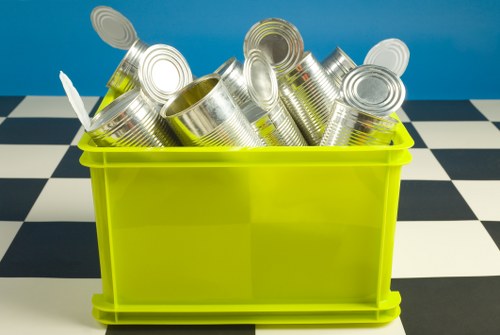
Good waste management affects far more than appearance. When recycling and rubbish in Richmond are handled properly, the whole area benefits. Cleaner streets, lower contamination in recycling bins, and better sorting all contribute to a more efficient waste system. This means less pressure on landfill sites, fewer collection issues, and better use of reusable materials.
For residents, effective rubbish disposal in Richmond can also bring practical benefits. It helps reduce clutter, prevents odours and pests, and makes homes safer and more comfortable. For businesses, good waste practices support compliance, improve workplace organisation, and reflect positively on customer perception.
Recycling in Richmond is also part of a broader environmental effort. Paper, cardboard, glass, metal, and some plastics can often be returned to the resource stream instead of being thrown away. When collected and sorted correctly, these items can become new products and reduce the need for raw material extraction. That is a simple but powerful way to lower environmental impact.
Understanding Local Waste Streams
Different types of waste need different handling. In Richmond, rubbish and recycling usually fall into a few common categories: general waste, dry mixed recycling, food waste, garden waste, bulky items, and specialist disposal items. Recognising the difference is the first step toward smarter waste management.
General waste typically includes non-recyclable items such as contaminated packaging, hygiene waste, broken ceramics, and materials that cannot be sorted by standard recycling systems. Dry mixed recycling often includes cardboard, newspapers, magazines, cans, tins, plastic bottles, and certain cartons, depending on local rules. Food waste and garden waste are usually collected separately where services are available.
Some items need extra care. Electrical goods, paint, batteries, fluorescent tubes, and building materials may be classed as specialist waste. These items should not be mixed with ordinary household rubbish in Richmond because they can create safety hazards or reduce the quality of recycled loads.
Household Recycling in Richmond
For homeowners and tenants, managing day-to-day recycling and rubbish in Richmond is often about making small, consistent habits. Sorting waste at the source is one of the easiest ways to improve recycling performance. A few simple changes in the kitchen, bathroom, and utility space can make a big difference.
Use separate containers where possible for general waste, recyclables, and food scraps. Flatten cardboard boxes before disposal. Rinse containers if they contain food residue. Remove loose plastic bags or packaging film if these items are not accepted in your local recycling stream. These steps reduce contamination and help ensure more material is actually recycled.
It is also worth checking local collection schedules and accepted materials regularly. Recycling rules can change, and what was accepted last year may not be accepted now. Staying informed keeps your Richmond rubbish collection routine efficient and avoids missed opportunities to recycle more responsibly.
Simple Habits That Improve Recycling
Small actions often make the biggest difference. Consider the following habits:
- Keep a clearly labelled recycling bin in a convenient location.
- Separate food waste from dry recyclables.
- Break down boxes to save space.
- Do not place dirty containers into recycling unless guidelines allow it.
- Store hazardous items separately until they can be taken to an approved facility.
Rubbish Removal in Richmond for Homes, Flats, and Landlords
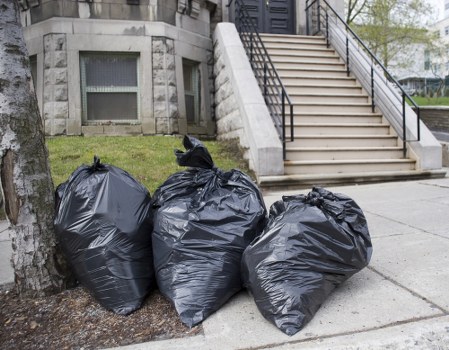
Residential waste needs vary widely across Richmond. A family home may generate a steady flow of everyday household rubbish, while a flat in a busy area may have tighter storage space and more limited access. Landlords, letting agents, and property managers often need rubbish removal in Richmond that can handle clearance between tenancies or after refurbishments.
End-of-tenancy clearances often include old furniture, mattresses, broken appliances, and accumulated general waste. These items can be awkward to move and may require responsible loading, transport, and disposal. Professional waste removal helps streamline the process and saves time when a property needs to be ready quickly for the next occupant.
For multi-occupancy buildings, clear communication around recycling and rubbish in Richmond is essential. Shared bins can become overloaded if residents are unsure what belongs where. Good signage, regular reminders, and sensible bin placement can reduce contamination and improve the overall appearance and cleanliness of communal areas.
What Usually Needs Special Handling in Homes
Some household items should never be placed in standard bins. These include:
- Batteries and power packs
- Paint tins with liquid residue
- Electrical appliances and cables
- Needles or sharps
- Broken glass in large amounts
- Chemicals and cleaning agents
Commercial Waste and Office Recycling in Richmond
Businesses in Richmond face different pressures from households. Offices, restaurants, retail stores, hospitality venues, and service providers all generate mixed waste in varying volumes. Efficient recycling and rubbish in Richmond helps keep premises tidy, reduce disposal costs, and support sustainability goals.
Commercial premises often benefit from structured waste segregation. Cardboard from deliveries, plastic packaging, paper files, food waste, and general refuse should be separated where possible. This makes collection easier and often reduces the amount of waste sent to landfill. In busy workplaces, even modest improvements in sorting can create noticeable savings over time.
Businesses should also consider compliance and duty of care. Waste producers are responsible for ensuring rubbish is handled by legitimate carriers and disposed of correctly. Keeping records, using proper bins, and training staff on sorting procedures all help strengthen responsible waste management in Richmond.
Key Benefits for Businesses
- Lower contamination rates in recycling bins
- Better workplace cleanliness and presentation
- Improved compliance with waste regulations
- Potential cost reductions through smarter sorting
- Stronger environmental reputation with customers and partners
For many organisations, a tailored Richmond rubbish collection plan is the most effective option. It can match waste output, collection frequency, and recycling targets without creating unnecessary complexity.
Garden Waste and Green Disposal Options
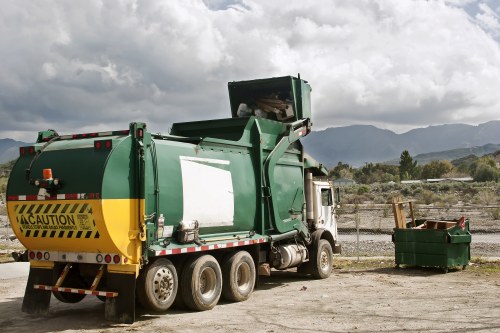
Richmond’s green character means garden waste plays a major role in local rubbish management. Lawn clippings, hedge trimmings, leaves, branches, and soil can build up quickly, especially during spring and autumn. Handling this material properly is important because garden waste is often recyclable or compostable when kept separate from general rubbish.
Many households generate seasonal green waste from pruning, landscaping, and outdoor maintenance. Instead of adding it to ordinary rubbish, it should be stored separately for collection or taken to an appropriate disposal site. When clean and uncontaminated, organic waste can often be turned into compost or mulch, returning nutrients to the soil.
Garden clearances can also involve old fencing, broken plant pots, slabs, timber, and outdoor furniture. These items may need mixed waste removal or separate handling depending on their material. Sorting them properly makes the collection process smoother and supports better recycling outcomes for recycling and rubbish in Richmond.
Bulky Waste, Clearances, and One-Off Collections
Not all rubbish fits neatly into a bin. Bulky waste is a common challenge for households and businesses in Richmond, especially during moves, refurbishments, and seasonal clear-outs. Mattresses, wardrobes, sofas, desks, shelving, and other large items often require a dedicated solution.
A one-off clearance service can be ideal when the volume of rubbish is too large for standard collections. This approach can save repeated trips to disposal sites and reduce the risk of items being left on pavements or in communal areas. It is also a practical option for garage clearances, loft cleanouts, and probate property preparation.
When planning a bulky waste collection, it helps to separate items by type. Reusable furniture can sometimes be donated or passed on. Metal items may be recyclable. Wood, textiles, and mixed materials may need different processing routes. The more carefully items are sorted, the more efficient the disposal process becomes.
Good Practice for Bulky Item Disposal
- Measure access routes before moving large items.
- Break down furniture where safe and practical.
- Remove personal documents and valuables first.
- Separate reusable goods from damaged waste.
- Check whether appliances require specialist disposal.
Construction, Renovation, and Trade Waste in Richmond
Construction and renovation work creates some of the most varied waste streams. Plasterboard, rubble, timber, metals, packaging, soil, tiles, insulation, and old fixtures can all be produced in a single project. Because these materials differ so much, recycling and rubbish in Richmond for trades often needs a structured approach.
Builders, contractors, and property developers should plan waste removal from the start of a project. This reduces site clutter, supports health and safety, and makes it easier to separate recyclable materials before they become contaminated. Timber, clean metal, and certain aggregates may be recoverable, while mixed demolition waste might need sorting at a licensed facility.
Good trade waste management also supports project efficiency. Fewer obstructions mean safer movement around the site, less risk of accidents, and a more professional appearance. For jobs in residential streets, effective rubbish handling also helps minimise disruption to neighbours and passers-by.
Common Trade Waste Categories
- Rubble and hardcore
- Mixed construction waste
- Timber offcuts
- Metal fittings and fixtures
- Packaging and protective film
- Old bathroom or kitchen units
How to Reduce Rubbish and Improve Recycling Rates
One of the best ways to manage recycling and rubbish in Richmond is to generate less waste in the first place. Reduction is always preferable to disposal. By choosing products with less packaging, reusing containers, and repairing items where possible, households and businesses can cut waste volumes significantly.
Reuse is another strong step. Furniture, clothing, books, kitchenware, and electronics may be suitable for donation or resale. This extends the life of products and keeps them out of the rubbish stream for longer. In some cases, a small repair can turn an item into something usable again, which is both cost-effective and sustainable.
Refusing unnecessary single-use materials also helps. Bring reusable shopping bags, water bottles, and food containers into regular use. Where businesses can reduce disposable cups, cutlery, or packaging, the impact can be substantial. Lower waste generation means less sorting pressure, fewer collections, and a cleaner local environment overall.
Practical Waste Reduction Ideas
- Buy in bulk when appropriate
- Choose durable products over disposable alternatives
- Reuse packaging for storage
- Donate usable items before throwing them away
- Recycle correctly to avoid contamination
Choosing the Right Recycling and Rubbish Solution
Every property and project has different waste requirements. A small flat may only need occasional rubbish removal in Richmond, while a restaurant or retail unit may require regular collections. A renovation project may call for skip-style loading or a dedicated clearance service. The best solution depends on the amount of waste, the type of materials, and how quickly the rubbish needs to go.
When comparing options, look for flexibility, responsible disposal practices, and clear sorting procedures. A well-organised service should be able to handle general waste, recycling, bulky goods, and specialist items with equal care. This reduces the need to deal with multiple providers and helps keep the process simple.
It is also wise to think beyond immediate convenience. Choosing a service that prioritises Richmond recycling and responsible disposal can improve sustainability without adding complexity. The goal is not just to remove waste, but to remove it in a way that protects the local area and makes future waste management easier.
The Role of Responsible Disposal in Richmond
Responsible disposal is at the heart of effective recycling and rubbish in Richmond. It means taking care that waste is sorted, transported, and processed correctly from start to finish. When rubbish is dumped illegally or mixed carelessly, the consequences can affect local streets, parks, waterways, and public health.
By contrast, responsible waste handling supports a cleaner, more attractive borough. It helps preserve Richmond’s reputation as a pleasant place to live and work. It also encourages better habits across the community, since visible good practice often influences others to follow suit.
Whether you are disposing of daily household rubbish, managing office recycling, or arranging a full property clearance, the principle remains the same: separate, sort, and dispose with care. That approach protects the local environment and makes waste management more efficient for everyone.
Frequently Overlooked Items That Can Be Recycled
Many people are surprised by how much can be recovered through proper recycling in Richmond. Beyond the usual paper and cans, there are often overlooked items that may be recyclable or reusable depending on local arrangements. Paying attention to these items can reduce the amount of general waste you produce.
Examples include clean cardboard packaging, aluminium trays, certain plastic bottles, textiles in good condition, scrap metal, and some electrical appliances. Even small improvements in how these materials are handled can make a noticeable difference over time. If an item is reusable, repairable, or recyclable, it usually makes more sense to keep it out of the rubbish bin.
Before throwing anything away, pause and ask whether it could have a second life. That simple habit supports better waste reduction and makes rubbish removal in Richmond more efficient. It is a practical step anyone can take, whether at home, in the office, or on a worksite.
Making Recycling and Rubbish in Richmond Easier Every Day
Long-term success with recycling and rubbish in Richmond comes from building easy routines. The simpler the system, the more likely it is to be used correctly. Place bins where waste is created, use clear labels, and make sorting as intuitive as possible. If people can tell at a glance where something should go, contamination becomes less likely.
For households, that may mean a small kitchen caddy for food waste, a recycling box near the back door, and a separate bin for general refuse. For businesses, it might involve a staff waste station, a cardboard break-down area, and scheduled collections that match trading patterns. In each case, small practical steps create a better overall system.
Recycling and rubbish in Richmond do not need to be complicated. With a little planning, the right disposal habits, and support from reliable waste services, residents and businesses can keep their spaces tidy while contributing to a cleaner, greener borough. Book your service now if you are ready to simplify your waste handling and make a positive impact.
Final Action Steps
- Review what you currently throw away each week.
- Separate recyclable and non-recyclable materials.
- Arrange proper disposal for bulky or specialist items.
- Reduce unnecessary packaging and disposable products.
- Contact us today to discuss the right rubbish solution for your needs.